Our Services
Specialised care for every aspect of voice, airway and swallowing — from advanced diagnostics and therapy to complex laryngology surgery.
Voice Clinic
Your voice is unique, and so are its problems. At Shri VAS Clinic, we offer comprehensive evaluation and treatment for disorders affecting the voice, ranging from vocal cord lesions and paralysis to neurological voice disorders and laryngeal cancers. Combining advanced diagnostic technology with expertise in voice therapy, office-based procedures and phonosurgery, we help restore, preserve and optimise voices for everyday and professional voice users alike.
Where Every Voice Is Heard
At Shri VAS Clinic, the Voice Clinic provides specialised evaluation and treatment for a wide range of voice disorders — from common vocal-cord problems to complex functional, neurological and structural conditions. Whether you are experiencing persistent hoarseness, vocal fatigue, loss of voice or difficulty producing certain sounds, our goal is to identify the cause and restore a healthy, effective voice.
Conditions We Treat
We evaluate and manage:
- Vocal cord nodules, polyps and cysts
- Sulcus vocalis and other structural vocal-cord abnormalities
- Vocal cord paralysis and paresis
- Spasmodic dysphonia
- Muscle tension dysphonia and functional voice disorders
- Puberphonia and pitch disorders
- Chronic hoarseness and vocal fatigue
- Professional voice disorders in singers and other voice professionals
- Vocal-cord lesions and laryngeal cancers
- Voice changes following surgery, intubation or other laryngeal conditions
Advanced Voice Assessment
A precise diagnosis begins with a detailed assessment. Depending on the condition, evaluation may include professional voice assessment, laryngeal endoscopy, videostroboscopy, Narrow Band Imaging (NBI), laryngeal electromyography (LEMG) and laryngeal ultrasound.
These assessments help evaluate the structure, movement, vibration and function of the vocal cords, identify subtle lesions and understand the underlying cause of a voice problem.
Treatment & Voice Rehabilitation
Treatment is tailored to the diagnosis and the demands placed on the voice — from voice therapy and medical management to office-based procedures and specialised phonosurgery. Office-based treatments may include injection laryngoplasty, Botulinum toxin (Botox) injections, intralesional steroid injections and PRP (Platelet-Rich Plasma) injections, where appropriate, offering targeted treatment with minimal downtime.
Voice therapy also plays an important role in restoring and optimising the voice after surgery, helping patients regain efficient vocal function and return safely to everyday or professional voice use.
With expertise in laryngology and voice surgery, we focus on preserving and restoring the delicate function of the vocal cords at every stage of care.
Every voice is unique. Your treatment should be too.
Swallowing Clinic
Swallowing: effortless, until it isn’t.
Swallowing is something we rarely think about — until even a simple mouth ulcer reminds us how important it is to eat and drink comfortably. But true swallowing disorders are far more complex. Swallowing involves a precisely coordinated sequence of movements, and when any part of this process is affected, eating and drinking can become difficult, unsafe or even dangerous.
At Shri VAS Clinic, we focus on understanding exactly where the swallowing problem lies, why it is happening, and whether the swallow is safe or unsafe, so that treatment can be directed at the actual cause rather than simply managing the symptoms.
Conditions We Treat
We evaluate and manage:
- Difficulty swallowing food, liquids or saliva
- Oropharyngeal dysphagia
- Pediatric dysphagia and feeding difficulties
- Coughing, choking or repeated throat clearing during meals
- Aspiration and swallowing-related breathing problems
- Food or liquid getting stuck in the throat
- Swallowing difficulties following stroke
- Neurological swallowing disorders, including those associated with Parkinson’s disease, Myasthenia Gravis and Motor Neuron Disease
- Swallowing problems following head and neck surgery or cancer treatment
- Age-related swallowing difficulties
- Complex feeding and swallowing disorders requiring specialised rehabilitation
Advanced Swallowing Assessment
Accurate treatment begins with finding exactly where the swallowing process is going wrong. Our assessment may include Flexible Endoscopic Evaluation of Swallowing (FEES), also known as swallowing endoscopy, and Videofluoroscopic Swallow Study (VFSS).
Swallowing endoscopy allows us to directly observe the throat during swallowing and identify residue, penetration, aspiration and other abnormalities that may make swallowing unsafe.
Videofluoroscopy provides a dynamic X-ray view of the swallowing process. By following contrast given orally from the mouth through the throat and oesophagus until it reaches the stomach, we can assess the entire swallowing sequence and quantify how effectively and safely each stage is functioning.
Together, these assessments help us determine whether a swallow is safe or unsafe, identify exactly where the problem lies, and guide the most appropriate targeted treatment.
Targeted Treatment. Tailored to Every Patient.
There is no blanket treatment for swallowing disorders. Every treatment plan is tailor-made to the individual, based on where the problem lies and what is causing it.
Management may include targeted swallowing therapy, dietary modification, compensatory strategies, VitalStim therapy, Botulinum toxin (Botox) injections, other interventional procedures and surgery when required.
The focus is simple: find the problem, understand why it is happening, and treat that problem specifically — rather than treating every swallowing disorder in the same way.
Swallow Safely. Live Fully.
Airway Clinic
Breathing is something we do thousands of times each day, yet rarely notice. When the airway becomes narrowed, obstructed or unstable, breathing can become laboured, affecting exercise, daily activities, sleep and overall quality of life. At Shri VAS Clinic, we provide specialised care for adult and paediatric airway disorders, combining precise diagnosis, advanced endoscopic assessment and specialised laryngeal expertise to restore a safe, stable and functional airway — and the freedom to breathe comfortably.
Where every breath matters.
We breathe around 20 times every minute, yet rarely notice it. Breathing is so effortless that it fades into the background of everyday life. It is only when we run, exercise or climb stairs that we become aware of our breath.
Now imagine having to think about every single breath you take.
When the airway is narrowed or obstructed, breathing can become an effort rather than an unconscious act. Noisy breathing, stridor, breathlessness, disturbed sleep and difficulty with routine activities can profoundly affect everyday life. At Shri VAS Clinic, we provide specialised care for adult and paediatric airway disorders, looking beyond the symptom to understand where the airway is compromised, why it is happening and how it behaves during breathing.
Conditions We Treat
- Stridor and noisy breathing
- Upper airway obstruction
- Congenital and acquired airway disorders
- Laryngomalacia
- Vocal cord paresis, paralysis and impaired vocal fold movement, including bilateral vocal cord paralysis
- Glottic and subglottic stenosis
- Laryngotracheal stenosis — in adults and children
- Idiopathic and exercise-related dynamic laryngeal obstruction
- Aspiration-related airway problems
- Tracheostomy and difficult decannulation
Advanced Airway Assessment
Some airway problems are structural and evident at rest, while others are dynamic and appear only during breathing, exertion or specific activities. Our evaluation therefore combines anatomical and functional assessment.
Our assessment may include:
- Endoscopic evaluation of the airway
- Flexible tracheoscopy and bronchoscopy
- Direct laryngoscopy and rigid bronchoscopy — examination under anaesthesia
- Exercise-based airway assessment for dynamic obstruction
- Flow-volume loops and pulmonary function tests
- Radiological investigations, including CT, reconstructed CT, virtual tracheoscopy and virtual bronchoscopy
- Swallowing assessment, including Flexible Endoscopic Evaluation of Swallowing (FEES)
- Structured, protocol-based tracheostomy assessment and decannulation
Treatment
Treatment is tailored to the cause, location, severity and functional impact of the airway disorder, ranging from conservative care to advanced endoscopic and reconstructive surgery. We provide elective and emergency management of routine as well as complex and complicated airway disorders, including:
- Conservative and medical management
- Emergency airway management and procedures
- Laryngomalacia surgery for significant disease
- Management of bilateral vocal cord paralysis, including Kashima’s posterior cordotomy
- Botulinum toxin (Botox) injections for selected laryngeal disorders
- Endoscopic treatment of airway stenosis, including balloon dilatation, coblation and laser-assisted procedures
- Laryngotracheal reconstructive surgery, including tracheal resection and anastomosis, partial cricotracheal resection and anastomosis, and anterior/posterior cricoid grafting
- Airway stenting
- Tracheostomy and comprehensive protocol-based decannulation management
Our approach combines precise diagnosis, advanced airway techniques and specialised laryngeal expertise to achieve a safe, stable and functional airway — restoring the freedom to breathe without a tube.
Breathe freely. Live fully.
Facilities
Voice, Airway & Swallowing Center at Chennai
State-of-the-art diagnostic and therapeutic technology that matches international standards in laryngology and voice care. At Shri VAS Clinic & Voice Gym, we are equipped with world-standard tools that allow for precise diagnosis, early intervention, and minimally invasive management of complex voice, airway, and swallowing disorders — all under one roof. Whether it’s a singer’s strained note, a teacher’s lost voice, or a patient struggling to swallow — we offer clarity, personalised care alongside latest technology to help restore function and confidence.
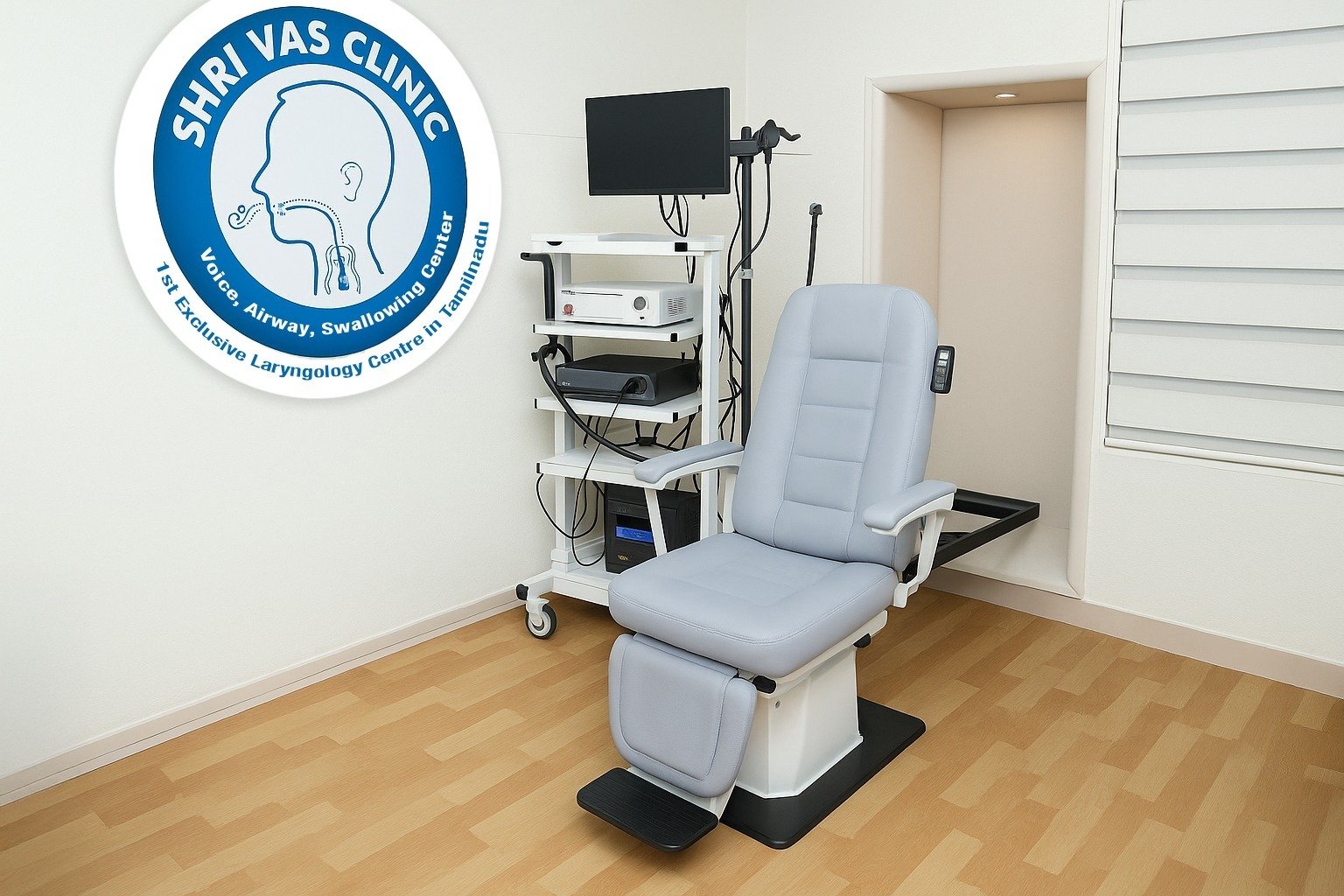
Our Technology
World-standard tools for precise diagnosis, early intervention and minimally invasive management of voice, airway and swallowing disorders.
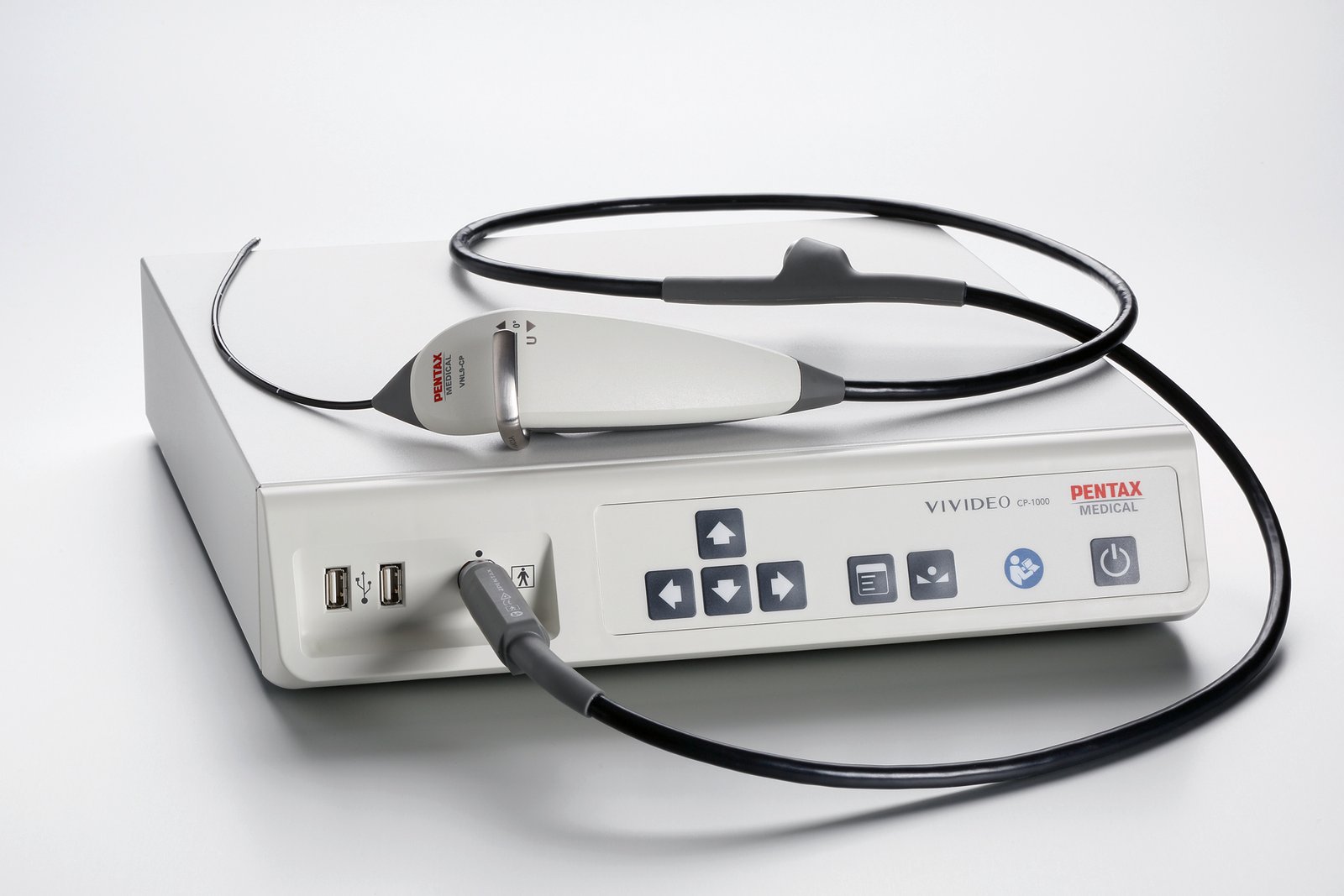
Pentax HD Flexible Laryngoscope with I-SCAN (NBI)
High-definition imaging with advanced tissue visualization
- High-definition imaging provides detailed visualization of the vocal cords and surrounding structures
- Equipped with I-SCAN, a selective digital light filter similar to Narrow Band Imaging, highlighting blood vessel patterns beneath the mucosa to detect very early cancers and subtle abnormalities
- Ultra-thin 3.4mm design allows safe, comfortable use even in newborns and infants without anesthesia
- Offers unmatched clarity, ideal for precise assessment of persistent hoarseness, throat discomfort, or professional voice users
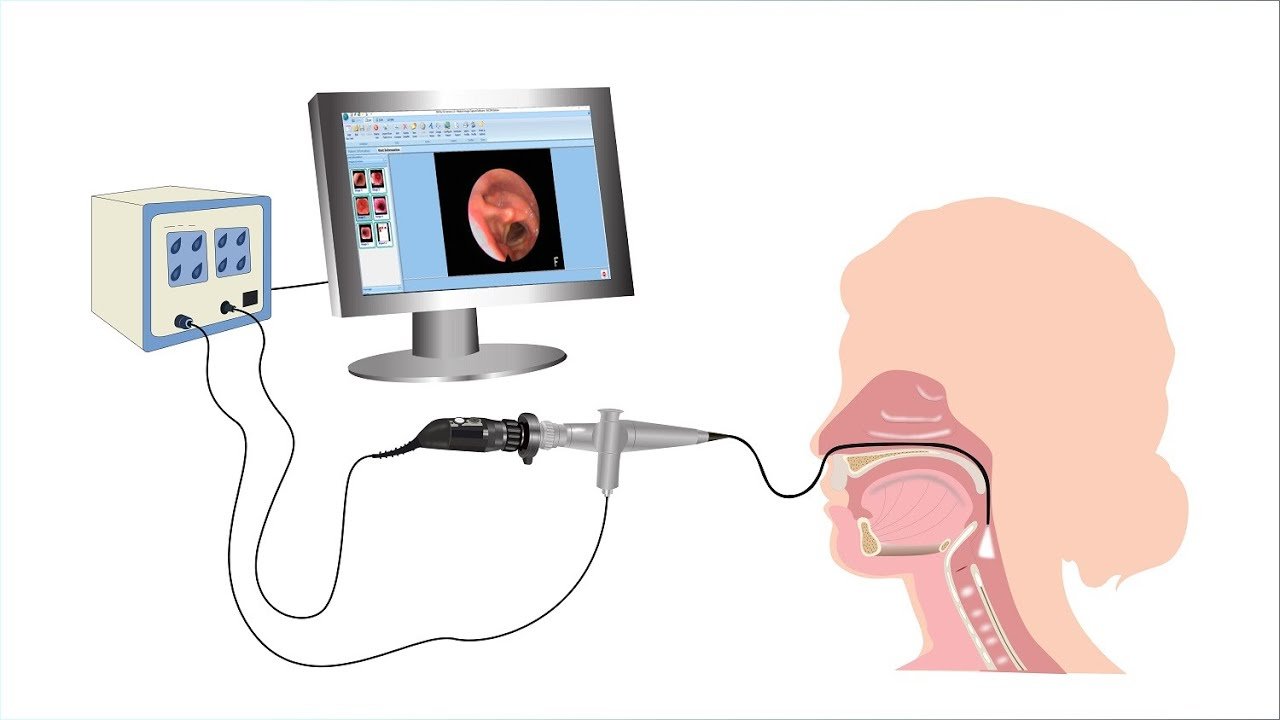
Stroboscopy
Slow-motion visualization of vocal fold vibrations
- Provides slow-motion visualization of vocal fold vibrations, detecting subtle mucosal abnormalities and irregularities in vocal fold movement that are not visible with standard lighting or the naked eye
- Uses high-frequency Xenon light, offering best-in-class imaging quality for precise assessment
- Enables objective tracking of voice improvement during therapy or post-surgery recovery
- Especially valuable for singers, voice actors, teachers, and speakers, allowing personalized therapy or interventions to restore voice quality and prevent further injury
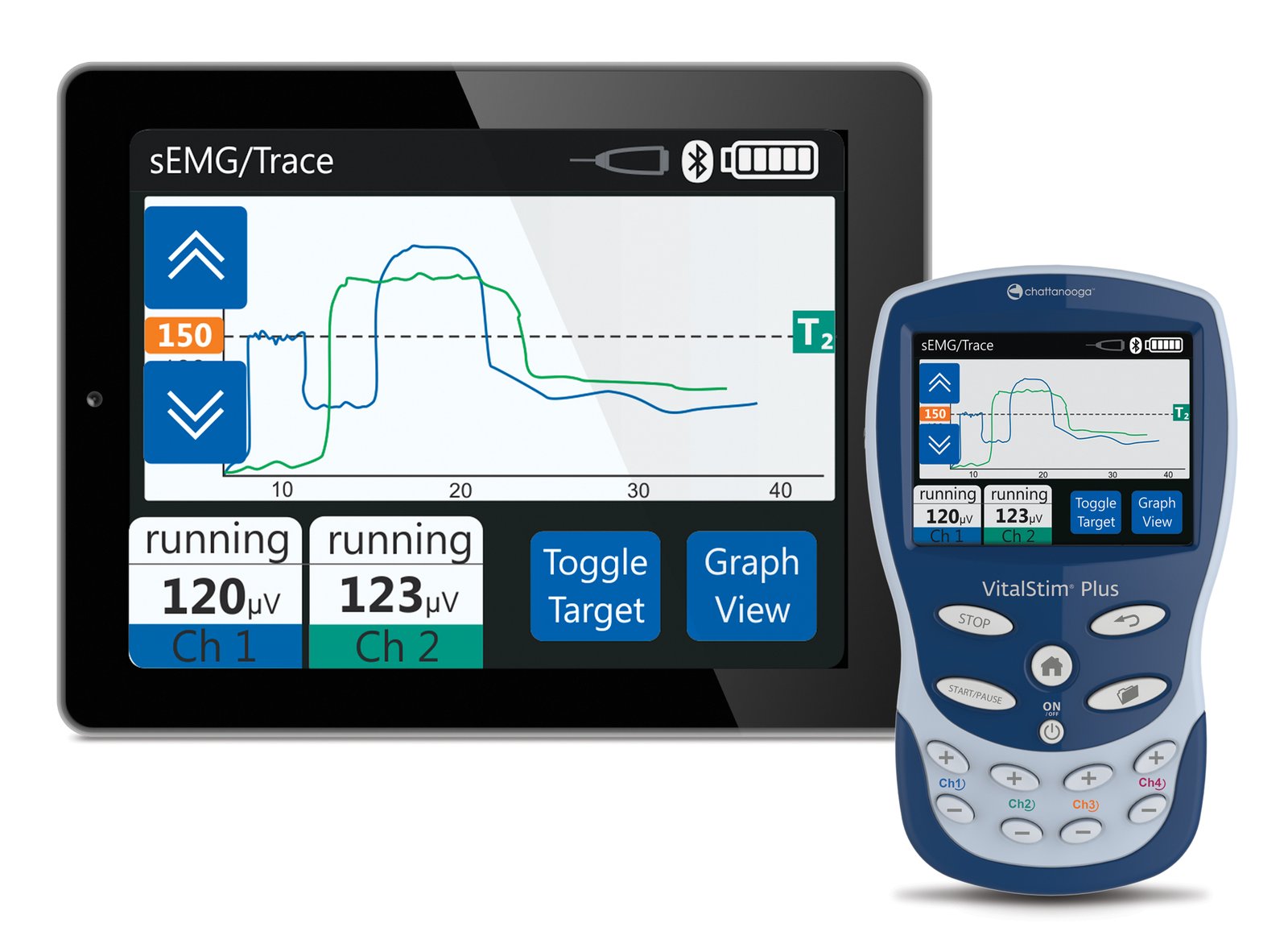
VitalStim Therapy
FDA-approved neuromuscular electrical stimulation
- A USFDA-approved neuromuscular electrical stimulation system for safe and effective swallowing rehabilitation
- Can be combined with biofeedback therapy, enabling patients to visualize and actively participate in their progress
- Strengthens the muscles involved in swallowing, reducing aspiration risk and improving safety while eating
- Ideal for patients recovering from surgery, neurological disorders, or chronic swallowing difficulties
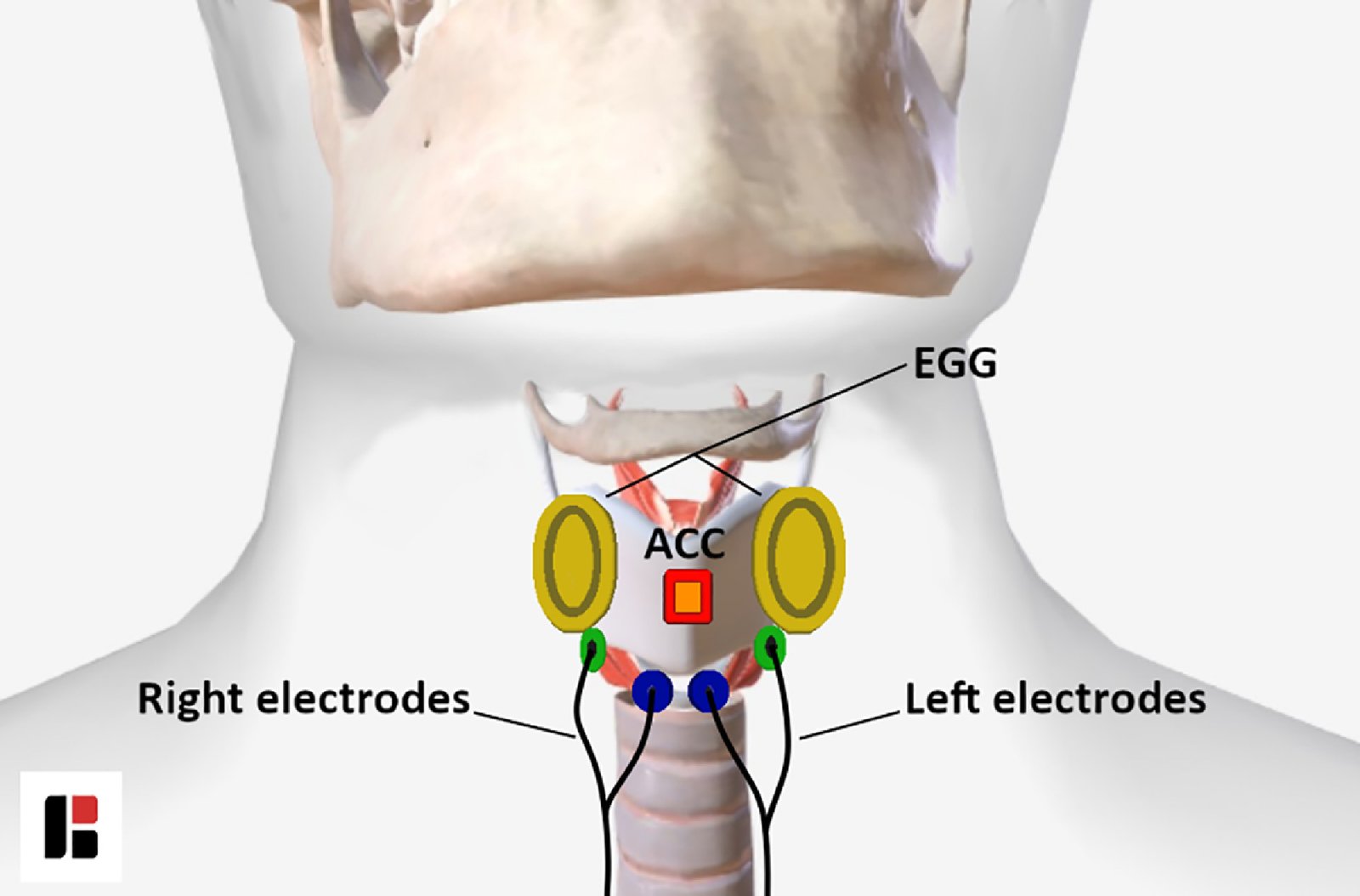
Electrical Laryngeal Stimulation
Targeted electrical stimulation for voice disorders
- Provides targeted electrical stimulation to treat vocal cord paresis, muscle tension dysphonia, and other voice disorders
- Supports muscle re-education and enhances recovery of vocal cord function, often combined with personalized voice therapy
- Helps patients regain a clearer, stronger voice faster, reducing overall therapy duration
- Improves phonation outcomes, particularly for those recovering from surgery, nerve injury, or chronic voice strain
- Promotes muscle relaxation and coordination, optimizing voice quality and long-term vocal health
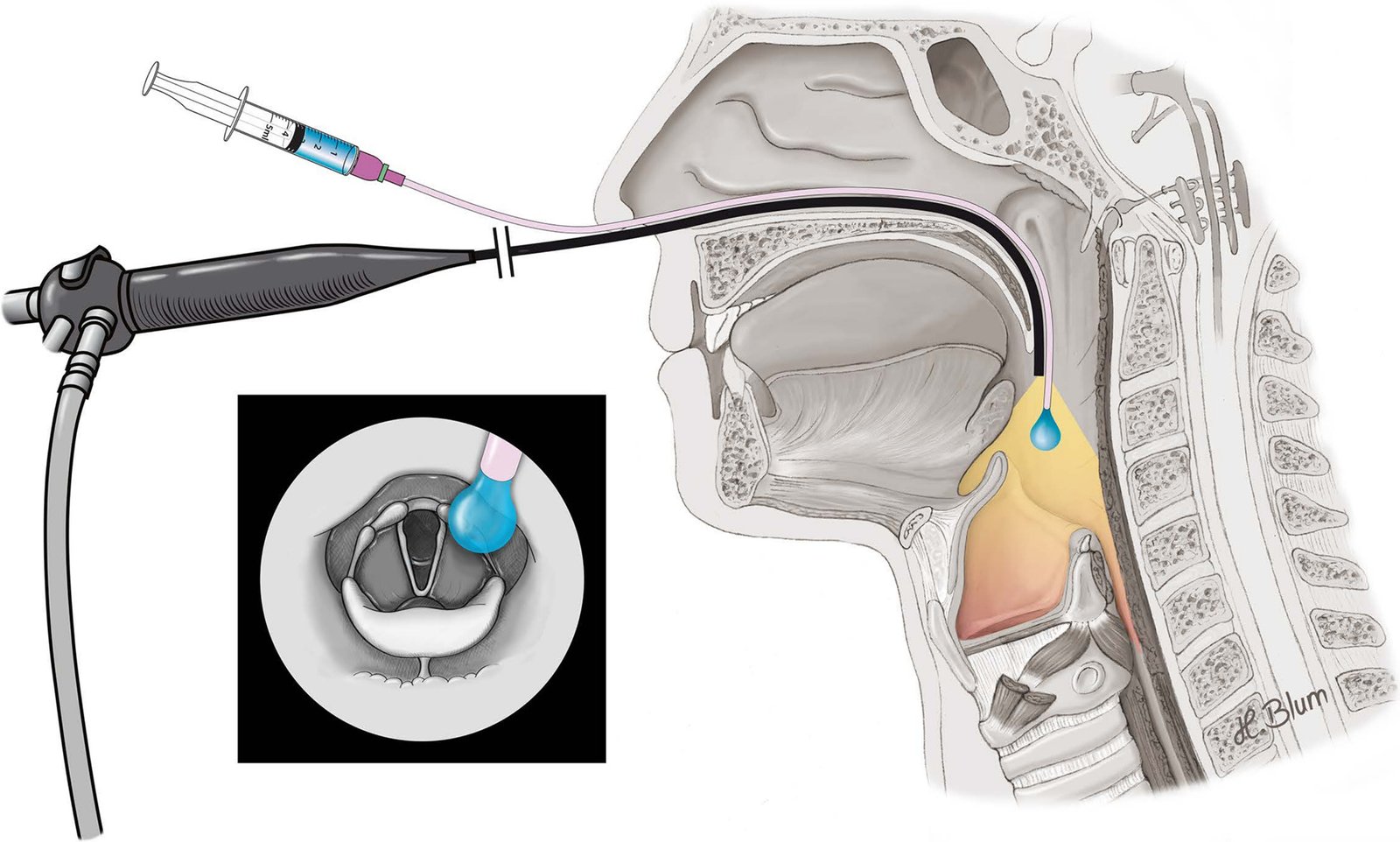
Flexible Endoscopic Evaluation of Swallowing (FEES)
Real-time swallowing function evaluation
- A minimally invasive procedure that evaluates swallowing function in real-time
- Identifies aspiration risks and structural abnormalities that may interfere with safe swallowing
- Assesses swallowing safety and guides personalized therapy plans, including targeted swallowing maneuvers
- Particularly beneficial for patients with post-stroke difficulties, post-surgical changes, post-cancer treatment, or chronic dysphagia, helping restore safe and effective swallowing
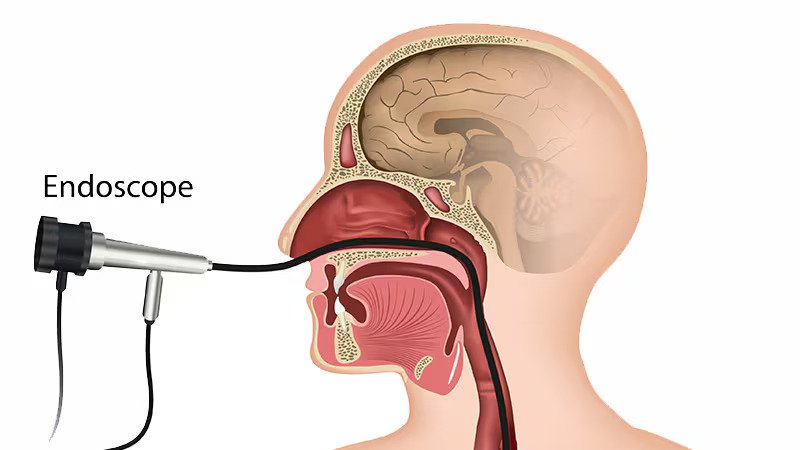
Transnasal Esophagoscopy (TNE)
Minimally invasive esophageal examination
- A minimally invasive, transnasal procedure that allows direct examination of the esophagus without sedation
- Detects abnormalities such as reflux, strictures, or lesions early, guiding precise treatment planning
- Comfortable and quick, suitable for both diagnostic evaluations and follow-up assessments
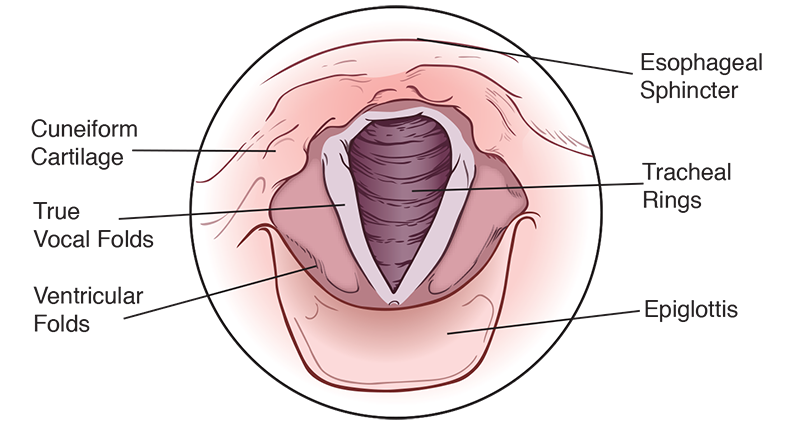
Singing Endoscopy
Specialized evaluation for singers
- A specialized endoscopic evaluation designed for singers, both amateurs and professionals
- Examines the entire voice box apparatus during actual singing, capturing both the static structures and dynamic vocal fold vibrations, as well as the resonance tract
- Provides precise insight into voice function, detecting subtle abnormalities
- Guides targeted therapy and interventions to prevent injury, optimize vocal performance, and maintain long-term voice health
Surgery in Laryngology
Laryngology surgery goes beyond conventional ENT surgery, with a distinct focus on both the anatomy and the function of the larynx. It is not simply about addressing the disease, but understanding how every intervention may influence voice, breathing and swallowing. From intricate vocal fold procedures and paediatric airway surgery to complex airway reconstruction, swallowing and sleep-related airway procedures, and thyroid and neck surgery, laryngology encompasses a wide surgical spectrum where precision, finesse and preservation of function are paramount. The objective is not merely to treat, but to achieve the best possible functional outcome while respecting the delicate anatomy of the larynx.
Precision. Finesse. Function.
A laryngologist is a super-specialist in ENT, with focused expertise in the surgical management of disorders of the voice, airway and swallowing, and an in-depth understanding of the intricate anatomy and physiology of the larynx.
Laryngology encompasses a range of procedures that extend well beyond conventional ENT surgery. Even when a procedure is performed across multiple surgical disciplines, the surgical philosophy, technique, tissue handling and functional objectives can be fundamentally different in laryngology. The emphasis is not merely on treating the disease, but on achieving the best possible outcome while respecting the delicate structures responsible for voice, swallowing and breathing.
Voice Surgery
A number of specialised laryngology procedures can be performed in the outpatient setting itself. Injection laryngoplasty can provide immediate improvement in voice in appropriately selected patients, particularly in the presence of vocal fold weakness or paralysis. Botulinum toxin injections are used with precision in conditions such as laryngeal spasms and vocal tremor, with treatment tailored to the individual pattern of abnormal movement.
Microlaryngeal surgery represents one of the most technically refined areas of laryngeal surgery. Lesions such as vocal fold polyps and cysts can be removed with meticulous precision under magnification. Here, surgical finesse is paramount: the objective is not simply to remove the lesion, but to preserve the delicate layered architecture of the vocal fold. It is surgery at a scale where millimetres matter and tissue preservation is integral to the result. Vocal fold nodules, in contrast, are predominantly managed through specialised voice therapy rather than surgery.
More intricate disorders such as vocal fold sulcus and scarring may require advanced techniques including fat injection, PRP injection and scar-release procedures to restore vocal fold bulk and improve function. Endolaryngeal suturing and other specialised reconstructive techniques may be employed in carefully selected cases.
Advanced endoscopic surgery also includes laser-assisted cordectomies, particularly for early glottic cancers and other appropriately selected laryngeal lesions. For recurrent respiratory papillomatosis, specialised powered instruments such as the microdebrider permit controlled and meticulous removal of papillomatous tissue.
The surgical spectrum extends from these endoscopic procedures to external laryngeal framework and reconstructive surgery, including thyroplasty procedures, laryngeal reinnervation and other contemporary techniques designed to restore or optimise laryngeal function.
Swallowing Surgery
The management of swallowing disorders is fundamentally individualised, with targeted swallowing therapy forming the cornerstone of treatment for many patients. Where a structural or neuromuscular intervention is indicated, treatment may include vocal fold augmentation, botulinum toxin injection into the cricopharyngeal region and swallowing-related dilatation procedures.
Aspiration requires an equally precise understanding of its underlying mechanism. Depending on the cause, patients may benefit from aspiration-directed therapies and procedures, while selected complex cases may require reconstructive interventions such as hyoidopexy.
Laryngologists also undertake endoscopic procedures for the removal of foreign bodies from the throat and oesophagus, when required.
Airway Surgery
Airway surgery demands an exact understanding of the level, extent and severity of obstruction, with treatment tailored accordingly.
Paediatric airway disorders form an important part of this spectrum. Conditions such as laryngomalacia are predominantly managed conservatively, particularly when symptoms are mild and the child is thriving. In selected patients, however, surgery may be indicated based on the type, severity and anatomical pattern of disease, with the procedure tailored to the underlying pathology.
Airway stenosis requires an equally individualised approach. For smaller or lower-grade stenoses, endoscopic procedures such as balloon dilatation may provide effective treatment. Higher-grade or more complex stenoses may require open reconstructive surgery, including tracheal resection and anastomosis, partial cricotracheal resection and anastomosis, or laryngotracheal resection and anastomosis, with or without grafting or stenting, according to the individual pathology.
Airway surgery may be required as an emergency intervention in critical obstruction or as an elective procedure for definitive reconstruction. Tracheostomy can be a life-saving intervention in patients with critical airway compromise. For many, however, it represents a bridge to definitive treatment. The ultimate objective is to restore a safe, functional airway and achieve decannulation wherever possible.
Snoring & Sleep-Related Breathing Disorders
The surgical management of snoring and sleep-related breathing disorders begins with precise identification of the site and pattern of airway obstruction.
A sleep study provides an objective assessment of sleep-disordered breathing, while drug-induced sleep endoscopy (DISE) allows dynamic visualisation of the airway while the patient is under controlled, sleep-like conditions. This enables the surgeon to determine where the airway collapses and how the obstruction occurs, information that is essential for targeted treatment.
Obstruction may arise anywhere from the nasal septum and nasal airway through the palate, tongue base and hypopharynx to the laryngeal level. Management is therefore tailored to the individual anatomy and pattern of collapse, ranging from lifestyle modification and CPAP therapy to carefully selected surgical intervention.
Surgical options may include septal procedures, Z-plasty, expansion sphincteroplasty, tongue-base reduction, epiglottopexy and other site-specific procedures. Where obstruction is multilevel, a combination of procedures may be required. The principle remains consistent: identify the precise sites of obstruction and address them with a targeted, anatomically guided strategy.
Thyroid & Neck Surgery
Thyroid disease encompasses distinct clinical entities. Abnormal thyroid hormone levels represent a hormonal disorder, generally managed with appropriate medication and monitoring. In contrast, thyroid gland enlargement or a swelling in the front of the neck represents a structural problem that requires assessment based on its size, symptoms, ultrasound characteristics and, where indicated, fine-needle aspiration cytology (FNAC).
Although thyroidectomy is performed by surgeons across several specialties, laryngologists have a particular advantage when the preservation of laryngeal function is a central consideration. The recurrent laryngeal nerves, which control vocal fold movement, lie in close anatomical relationship to the thyroid gland and are therefore at risk during thyroid surgery.
Meticulous identification and preservation of these nerves are fundamental to safe thyroidectomy. Equally important is the ability to recognise, assess and manage vocal fold dysfunction should nerve injury occur. This intimate understanding of the larynx and its innervation makes laryngology expertise particularly relevant to thyroid surgery.
The scope of laryngology also extends to open neck surgery, including the management of thyroglossal duct cysts, cervical lymph node enlargements and other benign neck lesions.
The Laryngology Difference
Laryngology sits at the intersection of microsurgery, functional anatomy and precision medicine. Whether treating a millimetre-scale vocal fold lesion, reconstructing a narrowed airway, restoring swallowing or performing thyroid surgery in close proximity to the nerves of the larynx, the principles remain the same: precision in diagnosis, finesse in technique and preservation of function.
This is what distinguishes laryngology surgery — not simply the procedures performed, but the depth of specialised understanding and the functional thinking behind every procedure.
Comprehensive Laryngeal Procedures
We offer a complete range of diagnostic, therapeutic, and surgical procedures to address all types of laryngeal disorders with precision and care.
Need More Information?
Our experienced team will help determine the best treatment approach for your specific condition. Contact us to discuss which procedures might be right for you.
Talk to us. We’ll guide you.
Our team will help determine the right assessment and treatment pathway for your condition.