Tamilnadu's First Exclusive Laryngology Center

At Shri VAS Clinic, we specialize in comprehensive diagnosis and treatment of voice and throat disorders. Our state-of-the-art facility combines cutting-edge technology with compassionate care to help you restore your voice and quality of life.

15+
Years Experience
15+
Treated patients from countries
3000+
Patients treated
40+
Collaboration with centers
Dr. Raghavi Vishnu Prasanna Throat Svg

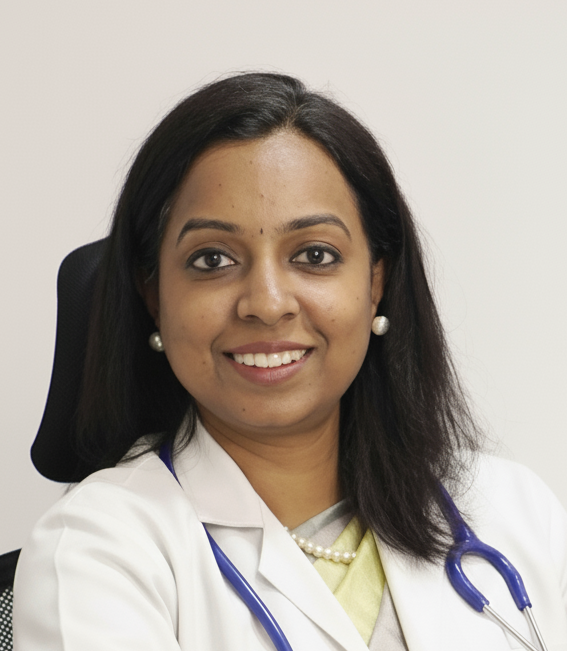
Dr. Raghavi Vishnu Prasanna

(Tamil Nadu’s First Exclusive Laryngologist)

MBBS, MS(ENT), DNB(ENT)(Gold Medal),
MRCS(ENT)(Edin), Fellowship in Laryngology

Our Commitment to Your Voice & Throat Health

Voice , Airway swallowing center at Chennai

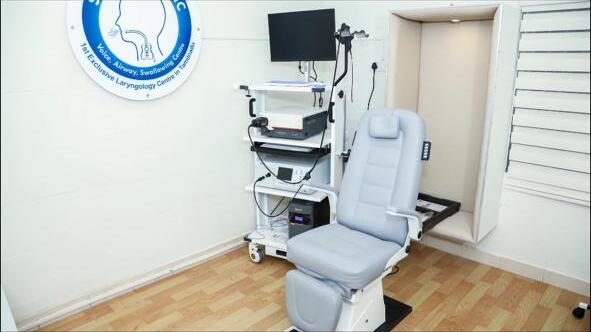
State-of-the-art diagnostic and therapeutic technology that matches international standards in laryngology and voice care. At Shri VAS clinic, we are equipped with world-standard tools that allow for precise diagnosis, early intervention, and minimally invasive management of complex voice, airway, and swallowing disorders - all under one roof. Whether it's a singer's strained note, a teacher's lost voice, or a patient struggling to swallow - we offer clarity, personalised care alongside latest technology to help restore function and confidence.

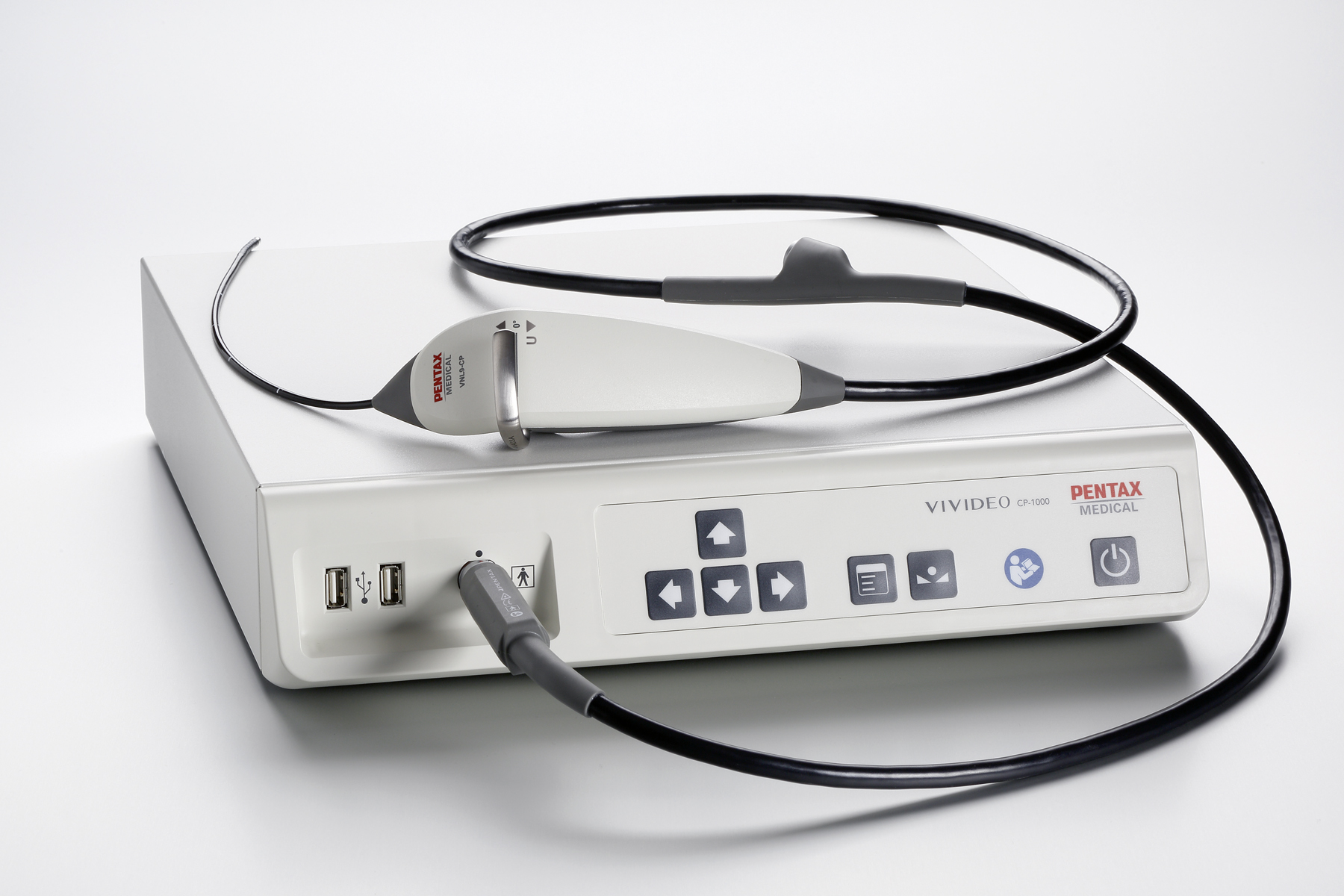
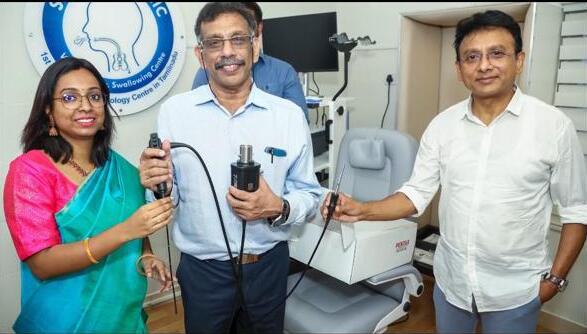
Pentax HD Flexible Laryngoscope

Pentax HD Flexible Laryngoscope with I-SCAN (NBI)

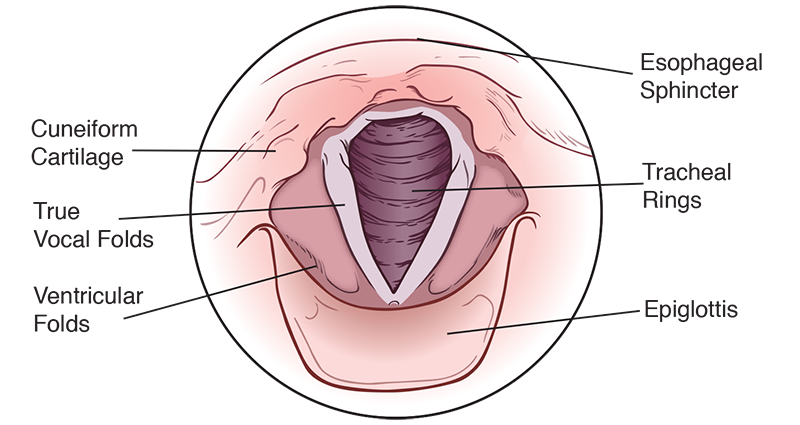
High-definition imaging with advanced tissue visualization

  • High-definition imaging provides detailed visualization of the vocal cords and surrounding structures
  • Equipped with I-SCAN, a selective digital light filter similar to Narrow Band Imaging, highlighting blood vessel patterns beneath the mucosa to detect very early cancers and subtle abnormalities
  • Ultra-thin 3.4mm design allows safe, comfortable use even in newborns and infants without anesthesia
  • Offers unmatched clarity, ideal for precise assessment of persistent hoarseness, throat discomfort, or professional voice users
Stroboscopy

Stroboscopy

Slow-motion visualization of vocal fold vibrations

  • Provides slow-motion visualization of vocal fold vibrations, detecting subtle mucosal abnormalities and irregularities in vocal fold movement that are not visible with standard lighting or the naked eye
  • Uses high-frequency Xenon light, offering best-in-class imaging quality for precise assessment
  • Enables objective tracking of voice improvement during therapy or post-surgery recovery
  • Especially valuable for singers, voice actors, teachers, and speakers, allowing personalized therapy or interventions to restore voice quality and prevent further injury
Vital Stim

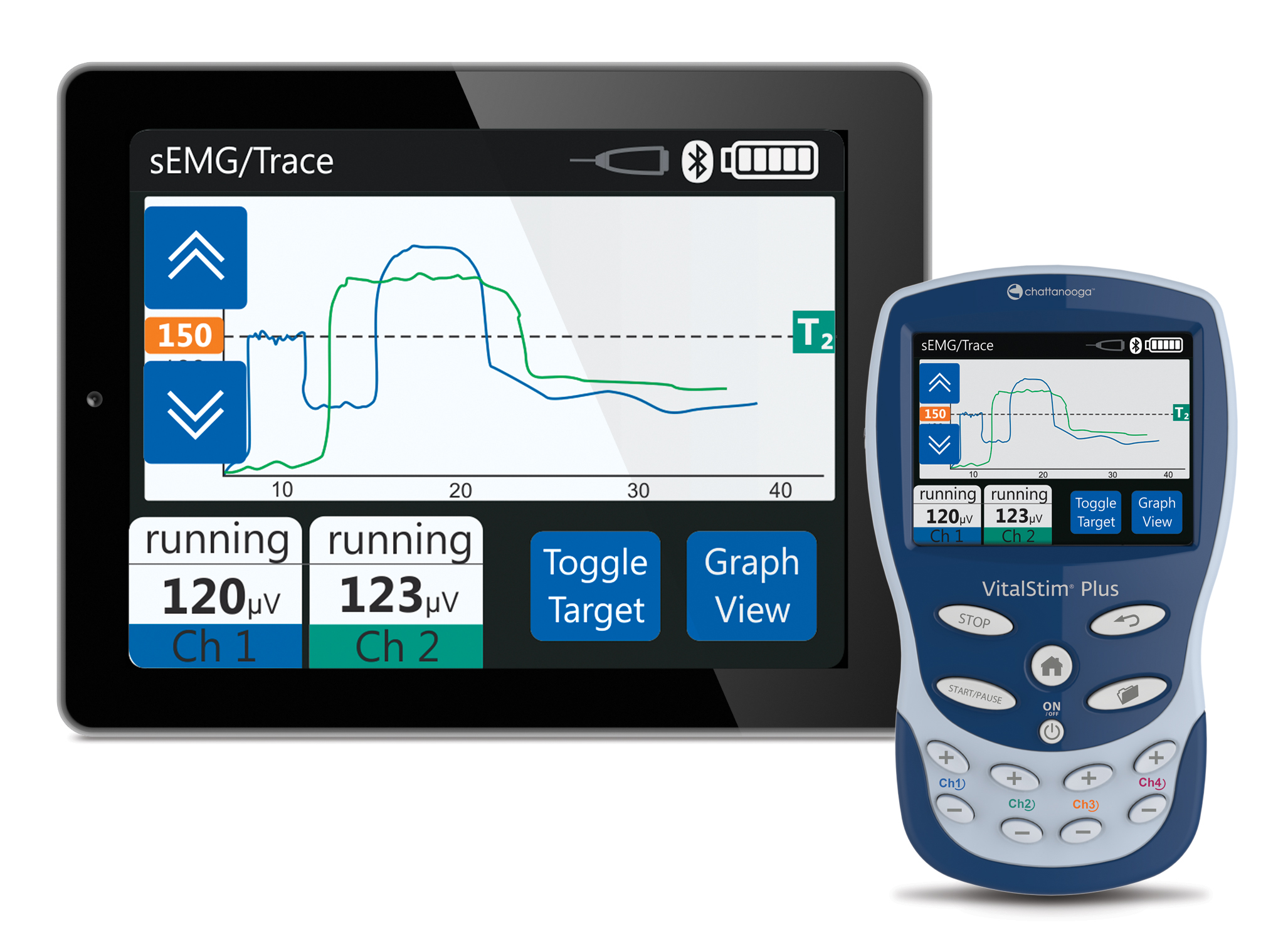
VitalStim Therapy

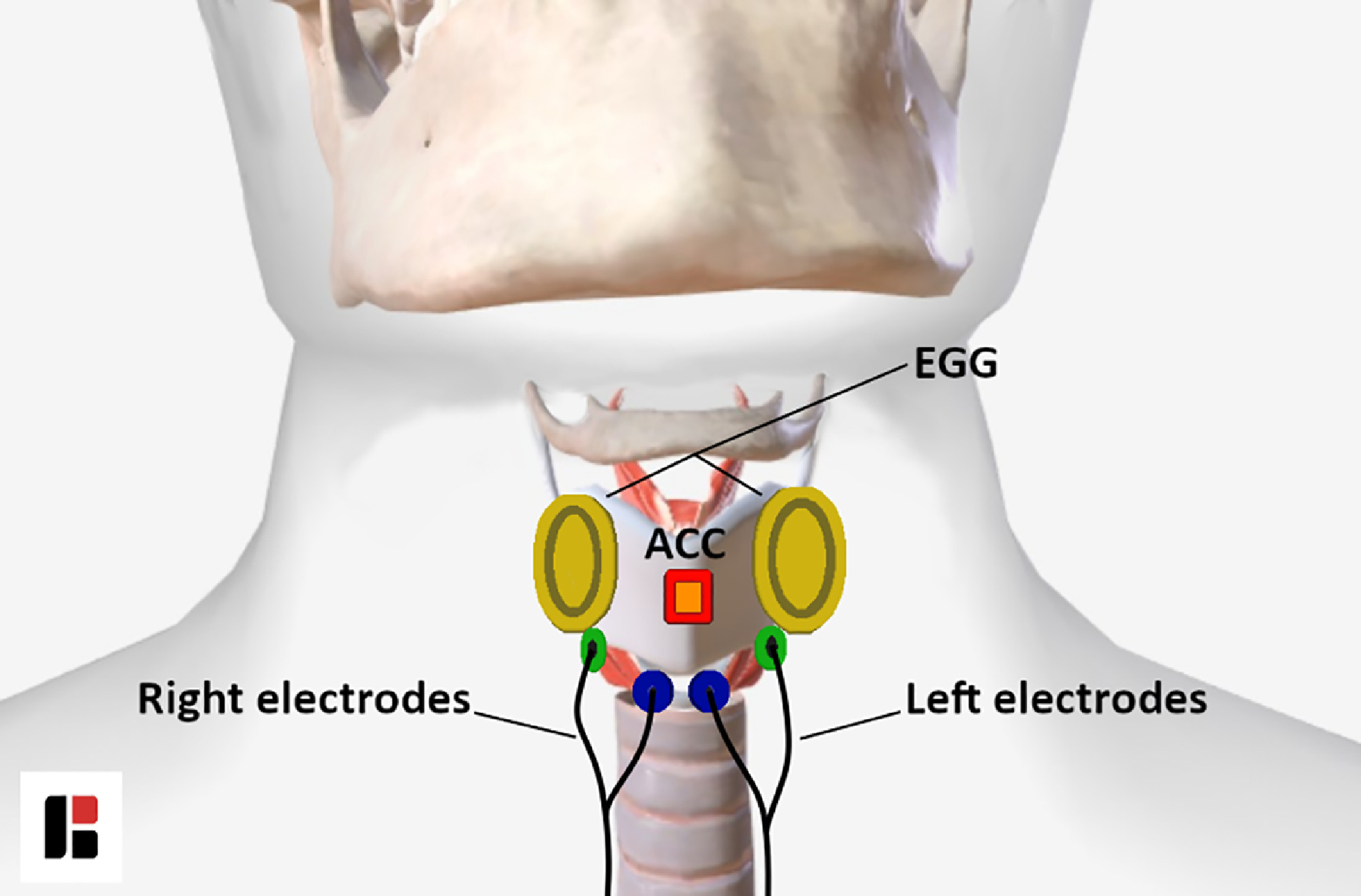
FDA-approved neuromuscular electrical stimulation

  • A USFDA-approved neuromuscular electrical stimulation system for safe and effective swallowing rehabilitation
  • Can be combined with biofeedback therapy, enabling patients to visualize and actively participate in their progress
  • Strengthens the muscles involved in swallowing, reducing aspiration risk and improving safety while eating
  • Ideal for patients recovering from surgery, neurological disorders, or chronic swallowing difficulties
ElectricalLaryngealStimulation

Electrical Laryngeal Stimulation

Targeted electrical stimulation for voice disorders

  • Provides targeted electrical stimulation to treat vocal cord paresis, muscle tension dysphonia, and other voice disorders
  • Supports muscle re-education and enhances recovery of vocal cord function, often combined with personalized voice therapy
  • Helps patients regain a clearer, stronger voice faster, reducing overall therapy duration
  • Improves phonation outcomes, particularly for those recovering from surgery, nerve injury, or chronic voice strain
  • Promotes muscle relaxation and coordination, optimizing voice quality and long-term vocal health
FEES

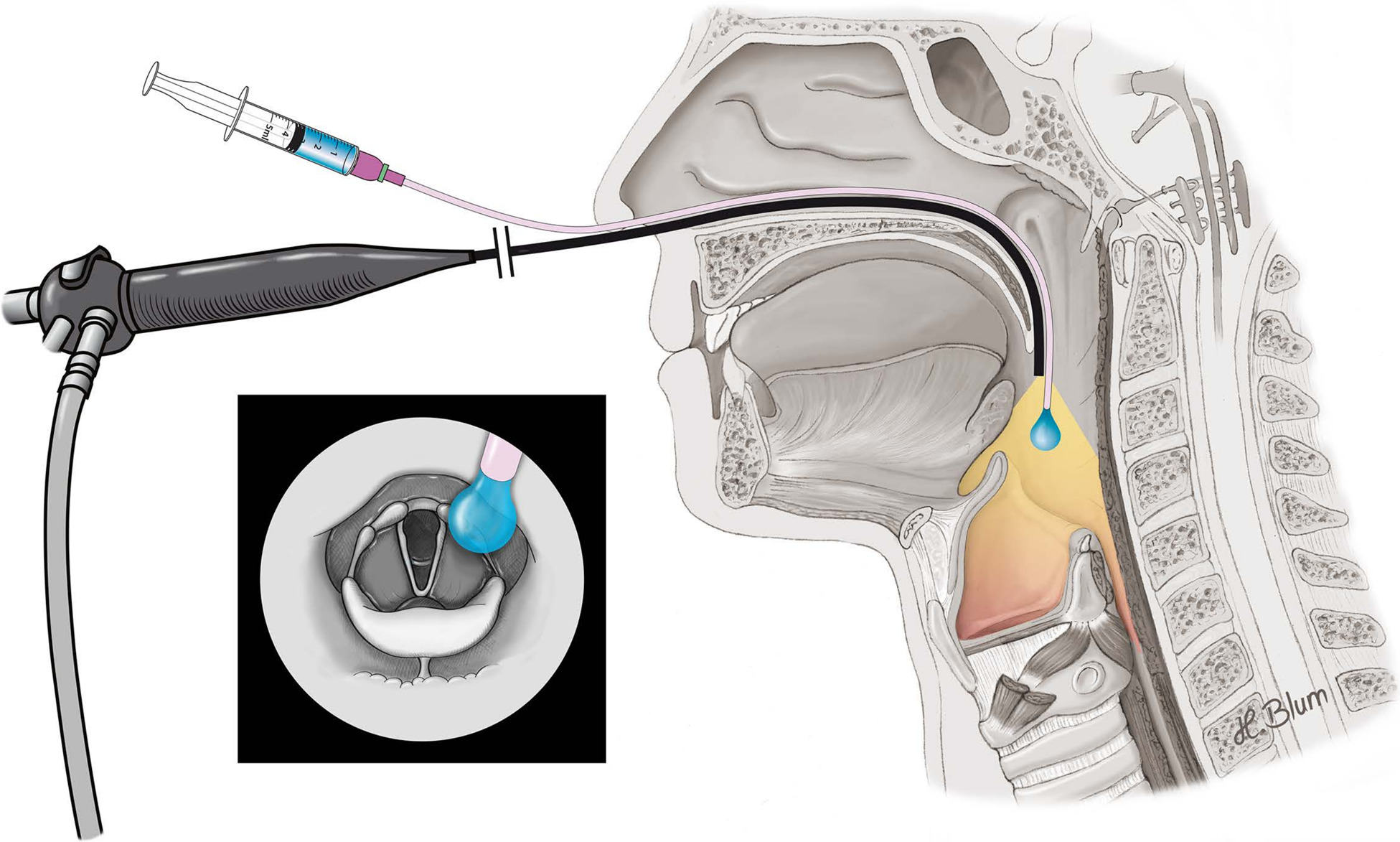
Flexible Endoscopic Evaluation of Swallowing (FEES)

Real-time swallowing function evaluation

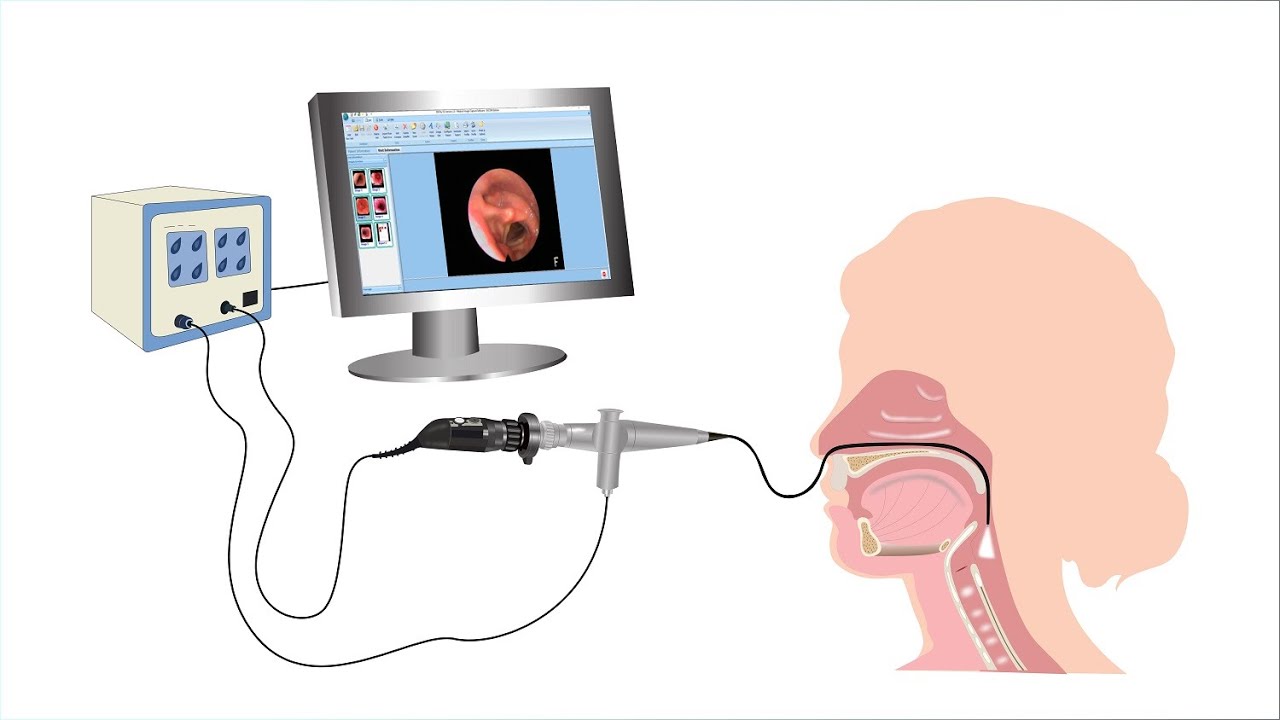
  • A minimally invasive procedure that evaluates swallowing function in real-time
  • Identifies aspiration risks and structural abnormalities that may interfere with safe swallowing
  • Assesses swallowing safety and guides personalized therapy plans, including targeted swallowing maneuvers
  • Particularly beneficial for patients with post-stroke difficulties, post-surgical changes, post-cancer treatment, or chronic dysphagia, helping restore safe and effective swallowing
TransnasalEsophagoscopy

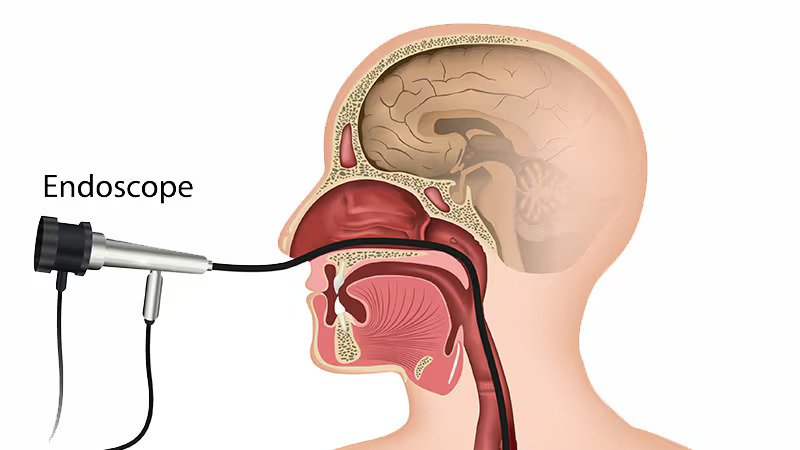
Transnasal Esophagoscopy (TNE)

Minimally invasive esophageal examination

  • A minimally invasive, transnasal procedure that allows direct examination of the esophagus without sedation
  • Detects abnormalities such as reflux, strictures, or lesions early, guiding precise treatment planning
  • Comfortable and quick, suitable for both diagnostic evaluations and follow-up assessments
Singing Endoscopy

Singing Endoscopy

Specialized evaluation for singers

  • A specialized endoscopic evaluation designed for singers, both amateurs and professionals
  • Examines the entire voice box apparatus during actual singing, capturing both the static structures and dynamic vocal fold vibrations, as well as the resonance tract
  • Provides precise insight into voice function, detecting subtle abnormalities
  • Guides targeted therapy and interventions to prevent injury, optimize vocal performance, and maintain long-term voice health

Meet Our Expert Doctors

From ECR on the east coast to Ambattur in the west, and from Thiruvottiyur in the north to Tambaram in the southstr, we are connected with leading hospitals across Chennai, offering seamless access to specialized care. Our reach extends far beyond the city — patients visit Shri VAS Clinic from across Tamil Nadu, throughout India, and even from around the world. For select conditions, we also provide online consultations and therapy, ensuring that distance is never a barrier to receiving expert, personalized care.

Dr. Raghavi Vishnu Prasanna
15+ years

Dr. Raghavi Vishnu Prasanna

Tamil Nadu’s first exclusive laryngologist

Dr. Raghavi Vishnu Prasanna is a renowned laryngologist with extensive experience in complex voice disorders and surgical interventions.

MBBS, Kilpauk Medical College
MS (ENT), Madras Medical College
DNB (ENT) Gold Medal, National Board of Examinations
MRCS (ENT), Royal College of Surgeons of Edinburgh
APSI Fellowship, under the mentorship of Dr. Jayakumar Menon, Dr Jayakumar’s Laryngology Group

Specialties

Voice Therapy Swallowing Disorders Airway Disorders Singing voice care Tracheostomy decannulation
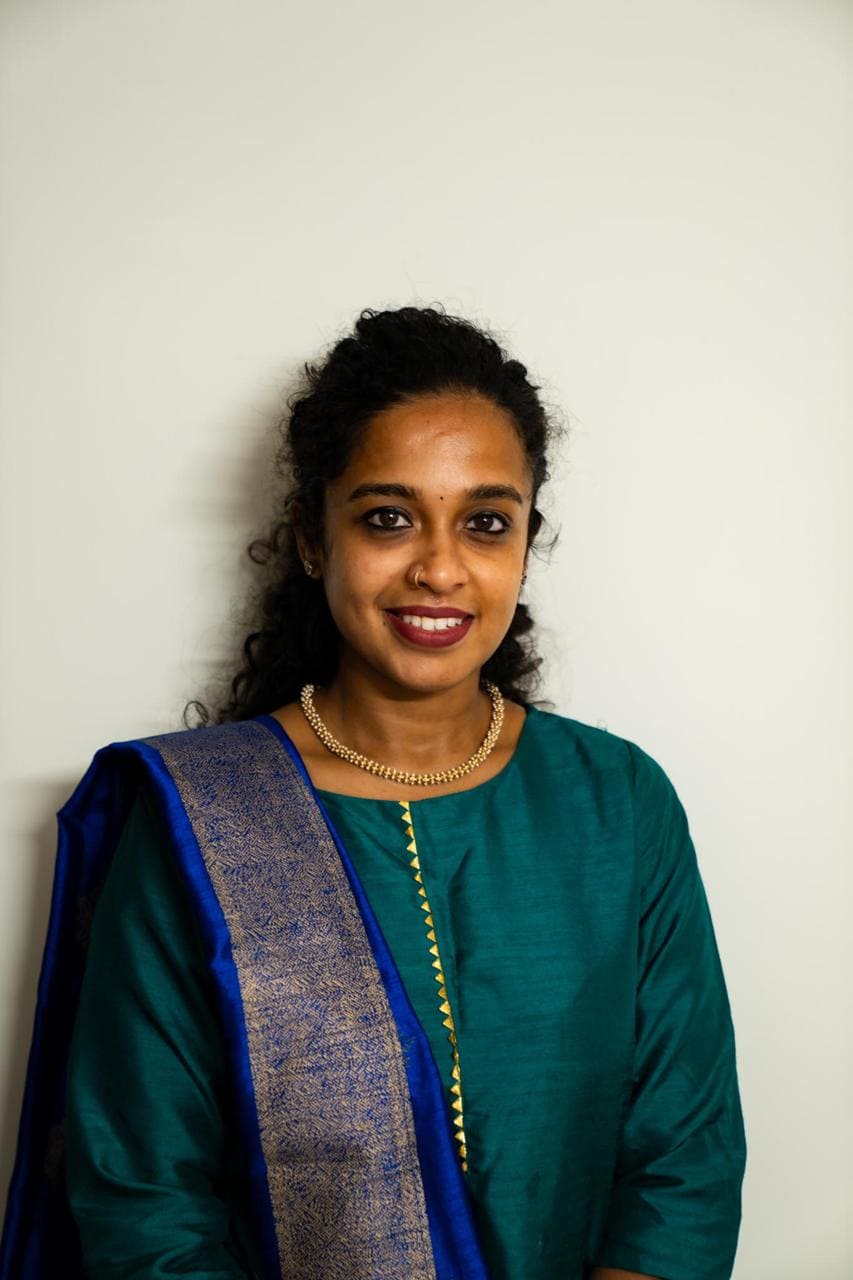
Dr. Arunima
12+ years

Dr. Arunima S

Exclusive laryngologist (ENT Surgeon)

Expert in treating laryngeal cancers and reconstructive surgery. Published researcher in laryngeal preservation techniques.

MBBS, SSIMS, Davangere
MS (ENT), KIMS, Bangalore
DNB (ENT), National Board of Examinations
APSI Fellowship, under the mentorship of Dr. Jayakumar Menon, Trivandrum

Specialties

Voice Therapy Swallowing Disorders Airway Disorders Pediatric Laryngeal disorders Neck Surgeries Reinnervation Procedures

Associated Hospitals

Leading hospitals and medical centers nationwide

Apollo Hospitals

Apollo Hospitals

Mehta

Mehta

Prasanth Hospitals

Prasanth Hospitals

SIMS Hospital

SIMS Hospital

KKR Institute of ENT

KKR Institute of ENT

GEM Hospitals

GEM Hospitals

Prime Indian

Prime Indian

VS Hospital

VS Hospital

Radiant Health centre

Radiant Health centre

Pragathi

Pragathi

Parvathi

Parvathi

Ramani ENT

Ramani ENT

Atlantis Hospital

Atlantis Hospital

JH Neuro Rehab

JH Neuro Rehab

Be Well Hospital

Be Well Hospital

Apollo First Med

Apollo First Med

Guest Hospital

Guest Hospital

Right Hospitals

Right Hospitals

St Thomas Mount Hospital

St Thomas Mount Hospital

Mercury Hospital

Mercury Hospital

Vijaya Hospital

Vijaya Hospital

Tamira Hospital

Tamira Hospital

Sunrays Laproscopic Centre

Sunrays Laproscopic Centre

Apollo Children's Hospital

Apollo Children's Hospital

Meridian Hospital

Meridian Hospital

Venkataeswara Hospital, Nandhanam

Venkataeswara Hospital, Nandhanam

Raj Nursing Home

Raj Nursing Home

Muthu Hospital

Muthu Hospital

Ganga Hospital

Ganga Hospital

ESSVEE

ESSVEE

Flamingo Hospital

Flamingo Hospital

Poovanthi Rehab

Poovanthi Rehab

Sunshine Neuro & Ortho Clinic

Sunshine Neuro & Ortho Clinic

Madras Medical Mission

Madras Medical Mission

Apollo Hospitals

Apollo Hospitals

Mehta

Mehta

Prasanth Hospitals

Prasanth Hospitals

SIMS Hospital

SIMS Hospital

KKR Institute of ENT

KKR Institute of ENT

GEM Hospitals

GEM Hospitals

Prime Indian

Prime Indian

VS Hospital

VS Hospital

Radiant Health centre

Radiant Health centre

Pragathi

Pragathi

Parvathi

Parvathi

Ramani ENT

Ramani ENT

Atlantis Hospital

Atlantis Hospital

JH Neuro Rehab

JH Neuro Rehab

Be Well Hospital

Be Well Hospital

Apollo First Med

Apollo First Med

Guest Hospital

Guest Hospital

Right Hospitals

Right Hospitals

St Thomas Mount Hospital

St Thomas Mount Hospital

Mercury Hospital

Mercury Hospital

Vijaya Hospital

Vijaya Hospital

Tamira Hospital

Tamira Hospital

Sunrays Laproscopic Centre

Sunrays Laproscopic Centre

Apollo Children's Hospital

Apollo Children's Hospital

Meridian Hospital

Meridian Hospital

Venkataeswara Hospital, Nandhanam

Venkataeswara Hospital, Nandhanam

Raj Nursing Home

Raj Nursing Home

Muthu Hospital

Muthu Hospital

Ganga Hospital

Ganga Hospital

ESSVEE

ESSVEE

Flamingo Hospital

Flamingo Hospital

Poovanthi Rehab

Poovanthi Rehab

Sunshine Neuro & Ortho Clinic

Sunshine Neuro & Ortho Clinic

Madras Medical Mission

Madras Medical Mission

Apollo Hospitals

Apollo Hospitals

Mehta

Mehta

Prasanth Hospitals

Prasanth Hospitals

SIMS Hospital

SIMS Hospital

KKR Institute of ENT

KKR Institute of ENT

GEM Hospitals

GEM Hospitals

Prime Indian

Prime Indian

VS Hospital

VS Hospital

Radiant Health centre

Radiant Health centre

Pragathi

Pragathi

Parvathi

Parvathi

Ramani ENT

Ramani ENT

Atlantis Hospital

Atlantis Hospital

JH Neuro Rehab

JH Neuro Rehab

Be Well Hospital

Be Well Hospital

Apollo First Med

Apollo First Med

Guest Hospital

Guest Hospital

Right Hospitals

Right Hospitals

St Thomas Mount Hospital

St Thomas Mount Hospital

Mercury Hospital

Mercury Hospital

Vijaya Hospital

Vijaya Hospital

Tamira Hospital

Tamira Hospital

Sunrays Laproscopic Centre

Sunrays Laproscopic Centre

Apollo Children's Hospital

Apollo Children's Hospital

Meridian Hospital

Meridian Hospital

Venkataeswara Hospital, Nandhanam

Venkataeswara Hospital, Nandhanam

Raj Nursing Home

Raj Nursing Home

Muthu Hospital

Muthu Hospital

Ganga Hospital

Ganga Hospital

ESSVEE

ESSVEE

Flamingo Hospital

Flamingo Hospital

Poovanthi Rehab

Poovanthi Rehab

Sunshine Neuro & Ortho Clinic

Sunshine Neuro & Ortho Clinic

Madras Medical Mission

Madras Medical Mission

Comprehensive Laryngeal Procedures

We offer a complete range of diagnostic, therapeutic, and surgical procedures to address all types of laryngeal disorders with precision and care.

Diagnostic Procedures

Show Details →

Therapeutic Procedures

Show Details →

Outpatient Procedures

Show Details →

Surgeries

Show Details →

Need More Information?

Our experienced team will help determine the best treatment approach for your specific condition. Contact us to discuss which procedures might be right for you.

Testimonials

We make sure our patients receive the best care and treatment

Testimonial author
Sarah Johnson

"This product has completely transformed how we work. The team is responsive and the features are exactly what we needed."

Latest News & Events

Stay informed about the latest developments in laryngeal medicine, our research findings, and upcoming community events.

Research

Understanding Tracheostomy: When and Why It’s Needed

By Dr. Raghavi Vishnu Prasanna Tamil Nadu’s First Exclusive Laryngologist Tracheostomy. It’s a word that often sparks fear — but
Read More...

October 4, 2025
3 min read
Research

The Hidden Art of Swallowing: How 30 Muscles Save You from Choking

By Dr. Raghavi Vishnu Prasanna Tamil Nadu’s First Exclusive Laryngologist We rarely think about swallowing — until something goes wrong.
Read More...

October 4, 2025
4 min read
Research

How Voice Works: Breath to Speech, Explained

By Dr. Raghavi Vishnu Prasanna, Tamil Nadu’s First Exclusive Laryngologist 🔊 Why Voice Still Matters in a Digital World In
Read More...

July 20, 2025
3 min read
Research

7 Everyday Habits That Harm Your Voice — And What to Do Instead

By Dr. Raghavi Vishnu Prasanna, Tamil Nadu’s First Exclusive Laryngologist Your voice is a daily tool — yet we rarely
Read More...

July 20, 2025
4 min read

Our Social Media Highlights

Videos

Intagram Reels

Frequently Asked Questions

When should you consult a laryngologist? +
You should consider seeing a laryngologist—a specialist in voice, airway, and swallowing disorders—if you notice any of the following:
  • Hoarseness or voice change lasting more than 2–3 weeks
  • Voice fatigue, reduced vocal range, or difficulty projecting your voice
  • Throat discomfort, tightness, or pain while speaking or swallowing
  • History of voice overuse, especially if you're a singer, teacher, public speaker, or professional voice user
  • Sudden voice loss, especially after a scream, illness, or vocal trauma
  • Recurrent or persistent voice issues that interfere with your work or daily life
  • Swallowing problems, choking episodes, aspiration, or food/liquid entering the airway
  • Patients on a Ryle's tube, for any reason—such as after a stroke, head and neck cancer, neurological issues, or severe swallowing dysfunction—especially when swallowing recovery is slow and tube removal is difficult
  • Chronic cough, frequent throat clearing, or a persistent lump-in-the-throat sensation
  • Breathing difficulties such as noisy breathing, stridor, or shortness of breath related to airway narrowing
  • Patients with a tracheostomy tube, regardless of the underlying cause. A laryngologist plays a crucial role in protocol-based decannulation. This ensures that the tube can be removed safely and at the right time, reducing risks and helping the patient return to normal breathing and voice.
If you’re unsure whether your symptoms require specialist evaluation, it’s always best to consult early. Early diagnosis ensures safer, more effective treatment and helps preserve your voice, airway, and swallowing function.
What is the difference between and ENT and laryngologist? +

An ENT (Ear, Nose, and Throat specialist) is a doctor trained to treat a wide range of conditions involving the ears, nose, throat, head, and neck. Their practice covers everything from sinus issues and ear infections to tonsils, thyroid problems, and general throat conditions.

A Laryngologist is an ENT who has undergone additional, advanced fellowship training specifically in:

  • Voice disorders
  • Airway problems (including tracheostomy care and decannulation)
  • Swallowing disorders
  • Vocal fold paralysis and mobility disorders
  • Professional voice care (singers, teachers, speakers)
  • Complex airway reconstruction
  • Neurolaryngology

In short:

  • ENT = Broad specialist for ear, nose, and throat conditions
  • Laryngologist = Super-specialist focused on voice, airway, and swallowing problems

If you have hoarseness, voice changes, breathing issues, swallowing difficulty, or require tracheostomy or Ryle’s tube management, a laryngologist is the best specialist to evaluate and treat you.

I’ve lost my voice — should I rest it or see a doctor? +

If your voice loss is associated with fever, cold, or a viral infection, you can start with voice rest, hydration, and simple symptomatic care. Most acute infections resolve on their own in the first few days without antibiotics. However, you should see a laryngologist if:

  • Your voice does not return to normal within 2–3 weeks
  • You have suddenly lost your voice after shouting or screaming (possible vocal fold injury)
  • You are a professional voice user—singer, teacher, or public speaker—and need an early and accurate diagnosis

A specialist evaluation, including stroboscopy, helps identify vocal fold bleeding, swelling, injury, paralysis, or other conditions that may require targeted treatment.

In short: initial rest is fine for viral or mild causes, but persistent or sudden severe voice loss needs early laryngology evaluation.

Can voice therapy help improve my voice? +

Yes. Voice therapy is highly effective in improving voice quality and correcting harmful voice habits. It is different from general speech therapy—voice therapy focuses specifically on how your vocal folds, breath, and resonance work together to produce sound.

Voice therapy is useful for both habilitation and rehabilitation:

  • Habilitation: teaching you how to use your voice correctly from the start—improving breathing, resonance, projection, and efficiency so you use your voice in the best possible way for your anatomical structure.
  • Rehabilitation: restoring normal voice after an illness, injury, surgery, or misuse; retraining the muscles and correcting tension patterns such as muscle tension dysphonia, including cases that develop after surgery.

Voice therapy helps you:

  • Balance breathing with phonation effort
  • Improve resonance, clarity, and projection
  • Reduce strain, fatigue, and voice breaks
  • Reach your optimal vocal potential
  • Recover and stabilise the voice after injury or surgery

Many patients notice significant improvement with voice therapy alone. Your laryngologist will advise whether therapy, medication, or other treatments are required.

What kinds of surgeries do Laryngologists perform? +

Laryngologists perform specialised surgeries focused on the voice, airway, and swallowing.

Common surgeries include:

  • Microlaryngeal surgeries: For nodules, polyps, cysts, granulomas, Reinke's edema, and other lesions, performed using high-precision microflap techniques with meticulous microdissection to preserve the delicate vocal fold layers.
  • Surgeries for vocal fold mobility disorders: For paralysis or weakness, including injection laryngoplasty, medialisation thyroplasty, arytenoid adduction, and reinnervation surgeries (including the latest nerve reinnervation techniques) to restore long-term tone and function.
  • Airway surgeries: For airway narrowing such as subglottic stenosis, tracheal stenosis, and bilateral vocal fold paresis, including procedures like Kashima's posterior cordectomy, laser/coblation-assisted airway widening, dilatation, and endoscopic airway reconstruction.
  • Tracheostomy care and decannulation procedures: Comprehensive airway assessment and protocol-based decannulation, along with surgeries that optimise the airway for safe removal of the tube.
  • Swallowing-related procedures: Including FEES (Fiberoptic Endoscopic Evaluation of Swallowing), VFSS (Video Fluoroscopic Swallow Study), Botox injections for upper esophageal sphincter dysfunction, and surgeries for structural or neurological causes of dysphagia and aspiration.
  • Management of laryngeal trauma and nerve injuries: For both acute and chronic injuries affecting breathing or voice.
  • Laser/Coblation surgeries: For papillomas, webs, scars, early cancers, and various laryngeal lesions, using precision laser or coblation technology to minimise tissue damage.

Laryngologists specialise in delicate, high-precision procedures that directly affect how you breathe, voice, and swallow, ensuring the safest and best possible functional outcomes.

Is voice surgery safe? +

Yes. Voice surgery today is extremely safe, especially in the hands of a trained laryngologist. The field has evolved tremendously over the years. Today, most modern voice surgeries are performed through the mouth using a direct laryngoscope and magnification, enabling the surgeon to visualise the vocal fold layers in exceptional detail.

Unlike earlier times - when techniques were less refined and offered limited visualization - modern phonosurgery focuses on precision and preservation. Today, surgery is performed with utmost care, using precision micro-dissection and microflap techniques to remove only the diseased tissue while safeguarding healthy structures. This minimizes trauma, ensures accuracy, and promotes faster recovery, helping patients regain normal function sooner, especially in structural lesions.

Thanks to advanced technology—high-definition stroboscopy and state-of-the-art endoscopy systems that support accurate diagnosis—and the use of precision micro-instruments with meticulous surgical techniques, voice surgery today is very safe and designed to protect your natural voice.

Recovery after voice surgery:

Recovery after voice surgery is generally quick, especially with modern, minimally-invasive techniques. Immediately after surgery, there may be some swelling of the vocal fold tissues, which usually settles over 1–2 weeks as the initial healing phase completes. Full recovery of the voice—where all swelling resolves and the vocal fold layers return to normal vibration—may take up to 4–6 weeks. Stroboscopically normal vibration also typically returns within this 4–6-week period.

Most patients are advised strict voice rest for the first 2–3 days, followed by relative voice rest with gentle, confidential voicing for about two weeks. After this period, normal voice use can gradually resume. Singing and full voice projection can also begin slowly after two weeks, though complete recovery continues up to six weeks.

Generally, there are no restrictions on returning to work—even as early as the next day—or on eating, showering, or continuing routine daily activities.

Recovery timelines can vary from patient to patient and also depend on the specific type of surgery performed. Voice therapy may be recommended to optimise healing, reduce muscle tension, and restore efficient voicing.

Every case is unique, but with proper care and guidance, most people quickly return to normal voice smoothly and safely.


What is a stroboscopy and why is it important? +

Stroboscopy is a specialised test that shows the vocal cords in slow motion using a high-definition endoscope and a strobe light. Since the vocal folds vibrate more than 100–200 times per second, this slow-motion view reveals how each layer vibrates—something a routine ENT endoscopy cannot show.

When a regular endoscopy appears normal, stroboscopy can still detect subtle changes such as early nodules or cysts or polyps, mucosal stiffness, scarring, sulcus, or muscle tension dysphonia. It also provides detailed information on mucosal wave, symmetry, and glottic closure.

For anyone with persistent hoarseness—and especially for singers, teachers, and other professional voice users—stroboscopy is the gold-standard test. It guides accurate diagnosis, appropriate treatment, and helps monitor recovery after therapy or surgery.

What is a singing endoscopy and why is it important? +

Singing Endoscopy is a specialised examination where the vocal cords, larynx, pharynx, and nasopharynx are assessed while the patient sings or performs specific voice tasks. Using a high-definition flexible endoscope passed through the nose, it shows real-time vocal fold vibration, laryngeal transitions, resonance changes, and how the surrounding structures behave—information that a routine endoscopy cannot provide.

This test also helps evaluate resonance changes and the overall vocal tract behaviour during singing or specialised voice use. It is particularly useful for singers, voice actors, teachers, and other professional voice users who experience problems only while singing or only in certain registers, identifying issues such as laryngeal constriction, pharyngeal squeeze, collapse at high pitches, muscle tension, technique-related strain, and register transition difficulties.

Because the patient can see the examination live, real-time correction of singing technique and resonance is possible, helping guide precise, customised singing-focused voice therapy.

Do I need a stroboscopy for every voice problem? +

Not every voice problem requires a stroboscopy, but it is highly recommended whenever hoarseness or voice change lasts longer than 2–3 weeks, or when the cause of the problem is unclear. A routine ENT endoscopy shows the general structure of the throat, but it cannot assess the vibration of the vocal folds. Stroboscopy provides a slow-motion view of how the vocal cord layers actually move, allowing us to detect subtle issues that may be missed otherwise.

You may especially need a stroboscopy if you are a singer, teacher, public speaker, or professional voice user, or if your symptoms keep recurring. It helps in making an accurate diagnosis, guiding proper treatment, and monitoring recovery after therapy or surgery.

In many cases, a stroboscopy is the most precise and informative test for understanding persistent or complex voice problems.

Do all hoarse voices need surgery? +

No, most hoarse voices do not need surgery. Many voice changes are caused by temporary conditions such as viral infections, allergies, reflux, vocal overuse, or muscle tension, and these usually improve with rest, hydration, medication, and voice therapy.

Surgery is required only when there is a structural problem on the vocal cords—such as a cyst, significant polyp, scar, sulcus, papilloma, or certain cases of vocal fold paralysis—that does not improve with conservative treatment.

A detailed laryngeal examination, ideally with stroboscopy, helps determine the exact cause of hoarseness and whether surgery is truly necessary. In most cases, treatment is tailored, conservative, and focused on restoring healthy vocal function without surgery unless clearly indicated.

Can children undergo voice evaluation or therapy? +

Yes, children can safely undergo voice evaluation and, when needed, voice therapy. Many children experience hoarseness due to vocal misuse, excessive shouting, prolonged crying, allergies, infections, or habits that strain the voice. A proper evaluation—including a gentle endoscopic examination and, if needed, stroboscopy—helps identify whether the problem is due to behaviour, muscle tension, or a structural issue.

Voice therapy in children focuses on correcting unhealthy voice habits, improving breath support, reducing strain, and guiding them toward healthy vocal behaviours. It is customised to their age and comfort level and is safe, effective, and play-based when required.

Most paediatric voice problems improve with the right guidance, early evaluation, and consistent therapy when indicated.

What precautions should I take for my voice/strobe appointment? +

To facilitate an optimal examination and ensure an accurate assessment, it is advisable to observe a few simple precautions.

  • There is no requirement for fasting, but it is better to avoid heavy meals for 1–2 hours before the examination so that the procedure feels more comfortable.
  • Avoid unnecessary voice strain on the day of the appointment.
  • If you are a singer or professional voice user, be prepared to perform specific voice tasks or scales during the exam.
  • Inform the doctor if you have a sensitive gag reflex, nausea, nasal blockage, or any history of allergies, especially to medications or nasal sprays, so the examination can be planned accordingly.

  • Bring any previous reports, voice recordings, or previous stroboscopy videos if available.

After the examination, avoid foods for half hour.

There will be no after effects post endoscopy. Driving/work/other activities can be resumed immediately after the endoscopy.

What is the test to find out why am I having a problem with swallowing? +

Swallowing Endoscopy (FEES – Fiberoptic Endoscopic Evaluation of Swallowing)

Swallowing endoscopy is a quick and safe test used to see how well you swallow. It is done in the clinic and does not require anesthesia or fasting.

  • A very thin, flexible camera is gently passed through one nostril.
  • This camera lets the doctor see your throat and voice box from inside.
  • You will then be asked to swallow small amounts of food or liquids (often coloured for better visibility).
  • The doctor watches how the food moves, whether it goes the right way into the food pipe, and if any of it "slips" toward the airway.

This test helps identify if there is weakness, delay, or misdirection during swallowing and guides the right treatment or therapy.

If needed, your doctor may also suggest a videofluoroscopic swallow study (VFSS)—an X-ray movie of your swallowing—to get more detailed information.